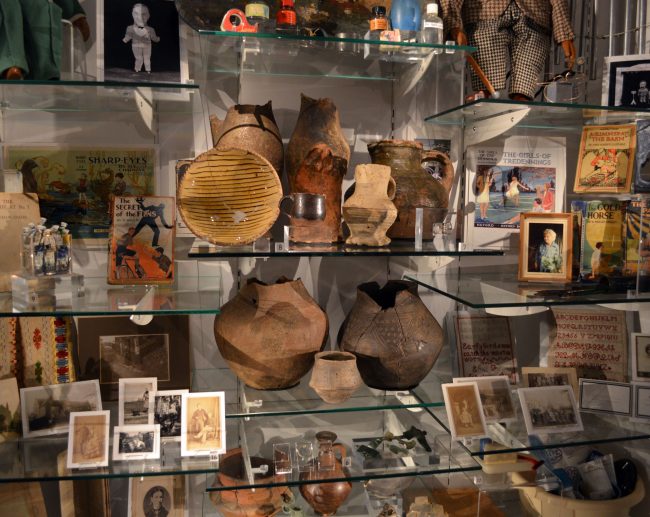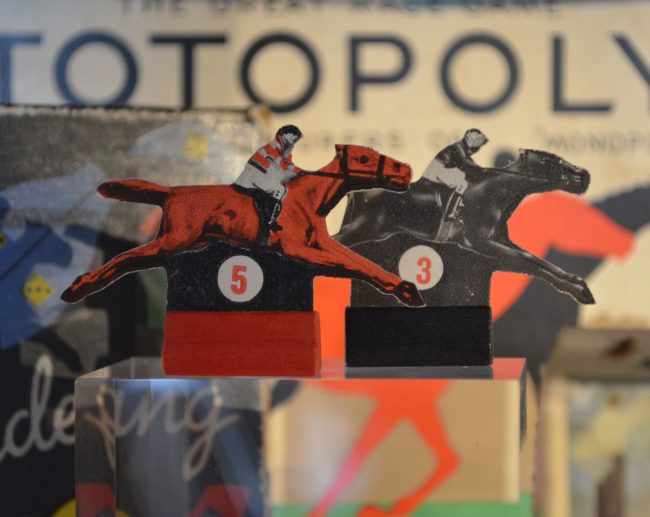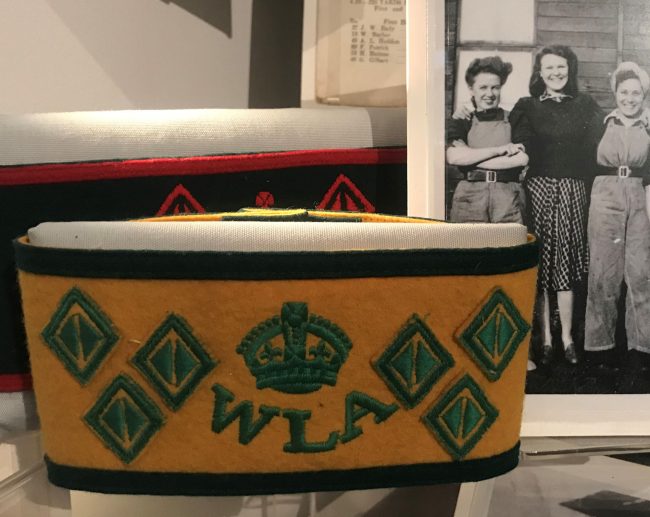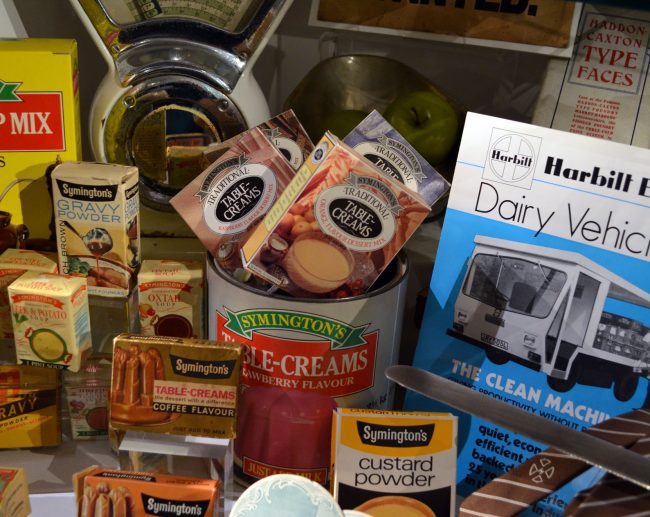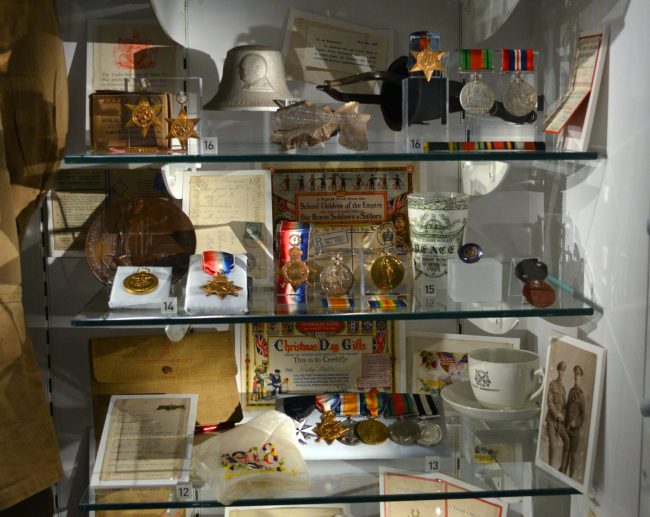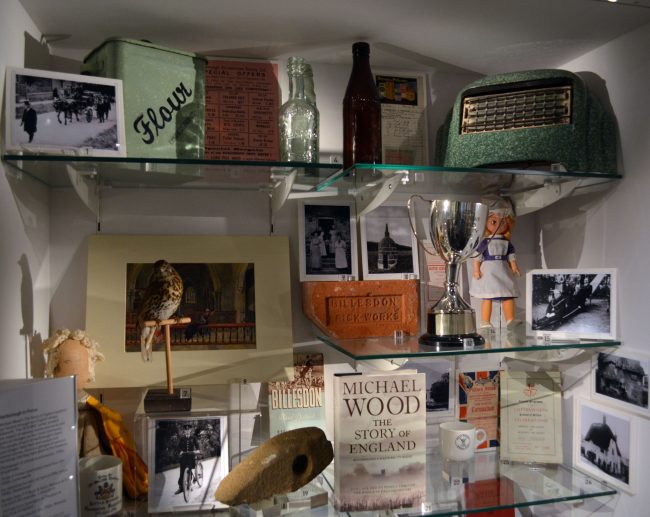
Places to go, people to see
Places to go, people to see is part of the following collections: The Harborough Collection.
Highlights



John Fothergill's cookery book
John Fothergill’s Cookery Book, in the ‘Places to go, people to see’ cabinet at Harborough Museum, was published in 1943 featuring a caricature of Fothergill drawn by political cartoonist, Bert Thomas. This extraordinary Market Harborough innkeeper, who has been likened to the TV sitcom character Basil Fawlty, cooked and served some 200,000 meals using his recipes of ‘strong flavour and colour, practicality and economy’.
Fothergill was host of the Three Swans from 1934-1952, but this iconic coaching inn has actually been a haven for travellers for over 500 years. Exceptionally vibrant during the late 1700s and early 1800s it’s been graced by several famous names: King Charles I visited the day before the Battle of Naseby in 1645, while the young King of Denmark, Christian VII, dined here in 1768 after his carriage broke down.
The Three Swans still has Fothergill’s self-portrait hanging in the back bar keeping an eye on proceedings.

Ritz Cinema booklet
Cinema came to Market Harborough in the early 20th century, but it wasn’t until May 1939 that the Ritz, Northampton Road, opened its doors. The first film to show at this Art Deco, 1930s gem was ‘The Drum’ featuring Sabu. This souvenir brochure, in Harborough Museum’s ‘Places to go, people to see’ case, is from that very night.
The Ritz played a good mix of films, as well as propaganda during the war period, and continued to be popular into the 50s, despite the occasional flood! A new screen with cinemascope opened in 1955 and by 1959 the Ritz was the only cinema in town. However, with the rise of the television, cinema-going decreased and the Ritz closed in April 1978 with some Bruce Lee action in ‘Fist of Fury’.
After a period as a bingo hall, the Ritz was converted into a supermarket, but has since been demolished and replaced with retirement flats.
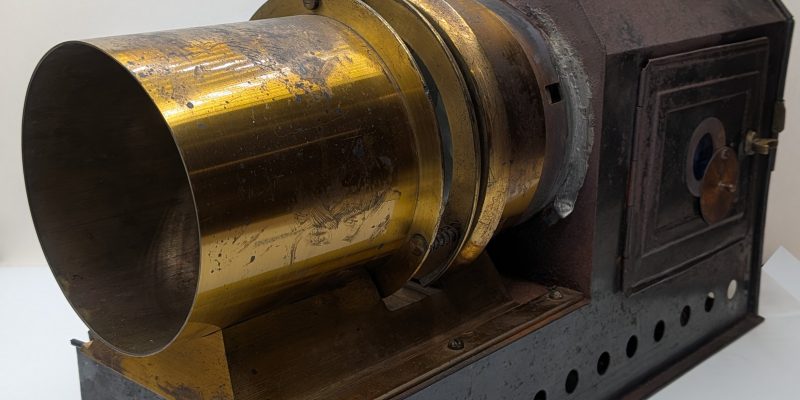
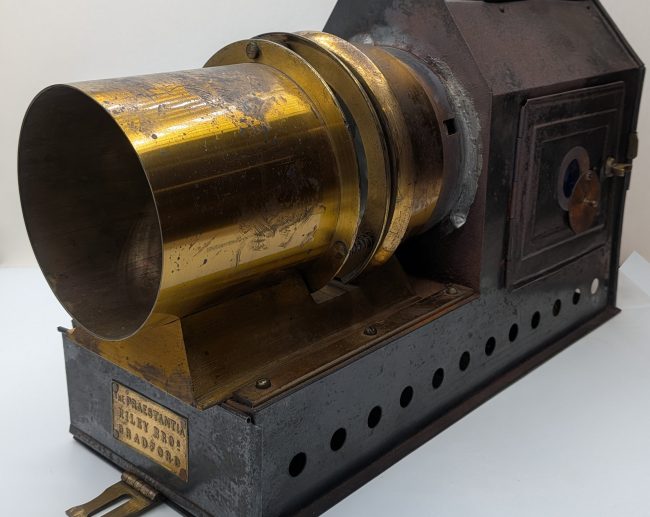
Electric Magic Lantern
A “magic lantern” came before the mid-to-late 20th century slide projector and modern digital projector. They all use light to make an image appear larger.
The magic lantern was probably first invented by Dutch scientist Christian Huygens in about 1659.
It was a very popular form of entertainment from the 1850s until the growth of cinema in the early 20th century.
The lantern projected images, using lenses, from glass slides on to a large screen. Before cinema this would have appeared magical to audiences. Entertainers would travel the country performing shows in circuses and theatres. These were usually children’s fairytales as displayed here or folklore stories. There were even ghostly images projected on to smoke, complete with sinister sound effects to scare audiences. Some images could even show moving parts, using levers.
This particular lantern, the “Praestantia” meaning “excellence” in Latin, was produced by the Riley Brothers in Bradford between 1894 and 1914. It originally contained a 4-wick paraffin burner as its source of light, but was later updated to use electric lightbulbs.
Originally glass slides were hand-painted, but later hundreds of thousands of slides were mass-produced, typically in boxes of 8-12 with accompanying script.
Even after cinema became more popular, magic lanterns continued to be used in educational settings and for religious instruction.
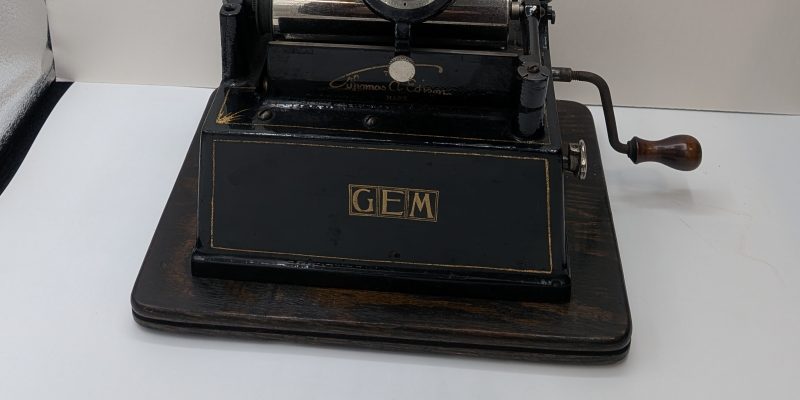
Wax Cylinder Record Player
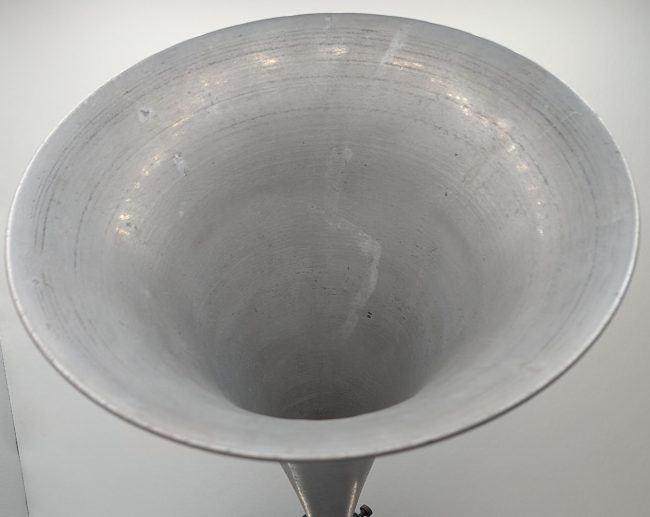
The museum’s collection includes an Edison GEM clockwork wax cylinder record player (“phonograph”). The GEM was a budget model for home use, produced from 1899 to 1912.
The phonograph was invented by Thomas Edison in 1877, initially using tin foil wrapped around a hand-cranked grooved metal cylinder.
Wax cylinders were then developed by Edison and rival companies and sold from 1889. Each cylinder contained 2 to 4 minutes of audio. Originally each one had to be individually recorded live, via a groove cut into the wax by a cutting stylus (a metal pin), but later cylinders were copied mechanically from a master mould.
Whilst early recordings were of musical performances and speeches, Edison originally saw the phonograph as a machine for use in the office as a dictaphone. One major benefit was that cylinders could be re-recorded.
This ability to record proved useful to anthropologists[1] and ethnomusicologists[2] in capturing ceremonies, songs and stories from all around the world. Many of these recordings can still be heard online today.
From 1903 disc records overtook wax cylinders in popularity, as they were cheaper to mass-produce, could play longer and required less storage space. The last Edison wax cylinder phonograph was manufactured in 1919.
[1] Researcher who studies humans and their customs, beliefs and social structures
[2] Scholar who studies music of different cultures